I didn’t choose the pink life — the pink life chose me.
Since my diagnosis and going through cancer treatment, I’ve made it my mission to make things easier on people going through it — whether that’s non-medical, real-human advice (the stuff you can’t Google), answering those “what do I actually need?” questions, or crafting empowering clothing that patients actually like with a splash of dark humor.
I built CareTrack to organize the chaos of care. I keep up with spunky, stylish clothes on TikTok because feeling like yourself matters. Everything under CancerComforts exists for one reason: so no one has to navigate this alone or without the right tools.
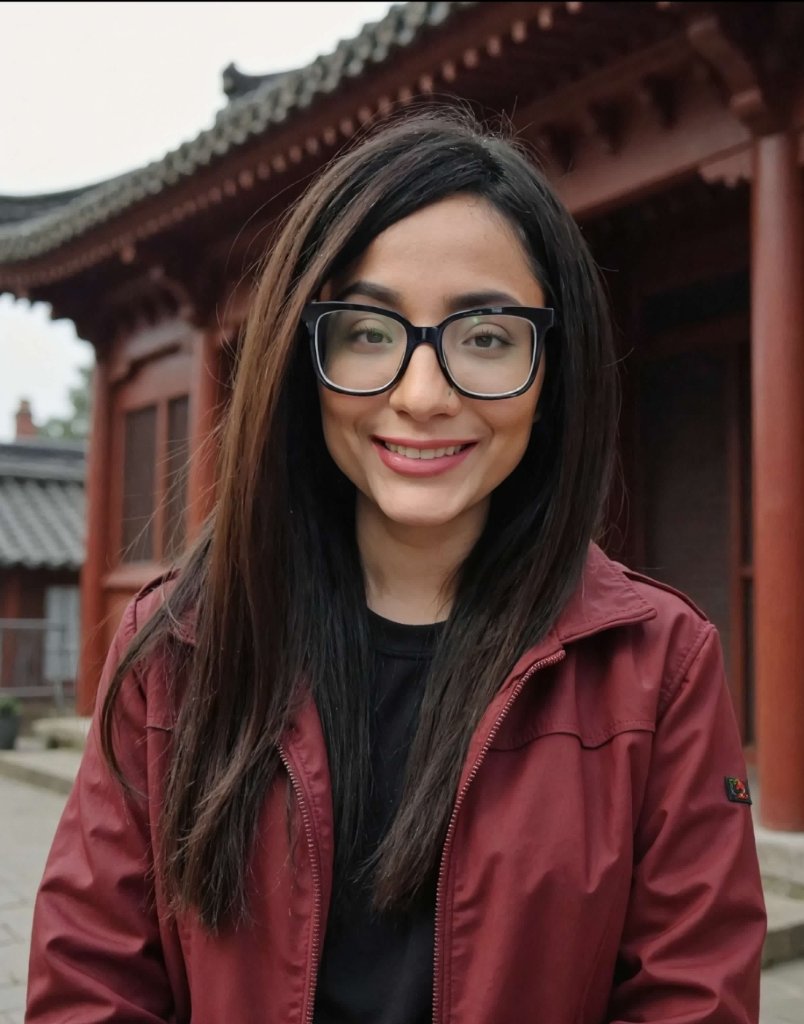
Nicole Keirsey
Founder
Real-Human Advice
Non-medical guidance from someone who lived it — the practical stuff you can’t find in a brochure.
“What Do I Need?” Answers
The questions patients actually have, answered plainly — from free tools to what to bring to appointments.
Where to find me
Everything I’ve built, in one place.
Each of these is its own thing — explore whichever fits where you are right now.
CareTrack
The Care Coordination App
I built CareTrack from scratch so patients and caregivers can manage medications, appointments, symptoms, records, and their whole care circle in one private place.
For Cancer Patients
Comfort Items & Care Supplies
Hand-selected comfort items and practical products for patients navigating cancer — the things I wished I had during treatment.
Etsy Shop
Empowering Clothing with a Splash of Dark Humor
Clothing patients actually want to wear — empowering, comfortable, and a little bit sassy. Because illness should never define your style.
TikTok Shop
Spunky, Stylish Clothes
I didn’t choose the pink life — the pink life chose me. My TikTok shop sells stylish, spunky pieces that remind you you’re more than a diagnosis.
Free Guides
Honest help, written from lived experience.
Real, first-person guidance on the questions patients and caregivers actually have — the stuff you can’t find in a brochure.
What to Say to Someone Just Diagnosed with Cancer
When someone tells you they have cancer, the instinct is to fill the silence with something comforting. In my experience, the wrong words often landed harder than no words at all. What helped me most wasn't advice — it was presence.
What helps: “I’m so sorry. I’m here.” “I don’t know what to say, and that’s okay.” Concrete, specific offers — “I’m dropping dinner off Tuesday, chicken or pasta?” — beat “let me know if you need anything” every time, because they don’t make the patient ask.
What doesn’t help: Any sentence that starts with “at least…” “My aunt had that and she’s fine.” “Stay positive!” “Everything happens for a reason.” These are meant kindly, but they minimize what someone is going through.
The most useful phrase I heard was simple: “I’m going to keep showing up.” Then they did — quietly, consistently, without needing me to explain.
Practical Comfort Items That Actually Help During Treatment
Most “gifts for cancer patients” lists are generic. These are the things that genuinely got me through treatment — the small items I reached for every single day.
- Soft, button-down or zip-front shirts — easy port access and comfortable when you’re sore.
- Unscented lotion and lip balm — treatment dries out your skin, and strong scents trigger nausea.
- A good insulated water bottle — hydration matters, and cold water helped me sip more.
- Ginger candies and ice chips — real relief on nausea days.
- A warm, washable blanket — infusion rooms are cold, and it felt like a small piece of home.
- A long phone charger and a phone stand — you’ll be sitting for hours.
- Slip-on shoes — bending over to tie laces gets old fast when you’re exhausted.
- A simple journal or notes app — to track symptoms, side effects, and questions for the next visit.
If you’re sending a care package, skip the flowers. Send two or three of these. They say “I thought about what you actually need today” far better than anything else.
How to Help Without Saying "Let Me Know If You Need Anything"
“Let me know if you need anything” is offered with love — but it quietly hands the work back to the patient. Now they have to figure out what they need, decide if it’s “worth asking,” and make the call. When you’re sick, that’s exhausting.
The shift is small but powerful: offer something specific, and let the answer be easy.
- “I’m at the grocery store right now — what three things can I grab you?”
- “I’m free Thursday morning. I’ll drive you to your appointment and wait.”
- “I’m dropping off dinner at 6 on the porch so you don’t have to come to the door.”
- “I can take the kids Saturday afternoon — I’ll bring them back fed.”
Even better, coordinate with others so the patient isn’t repeating updates to fifteen different people. A shared care circle or a simple group thread where one person organizes meals, rides, and visits can take an enormous load off someone who is already fighting for their life.
What to Bring to a Chemotherapy Infusion Appointment
Infusion days are long, and the room is usually cold. After my first appointment, I made a kit I kept by the door so I never had to think about it again.
- ID, insurance card, and a current list of medications — you’ll be asked every time.
- A cozy layer or blanket — infusion rooms run cold, even in summer.
- A shirt with easy access for your port or IV site.
- Snacks and a drink — hospital food isn’t always appealing, and treatment can change how things taste.
- Entertainment — downloaded shows, a book, music, or a podcast. Wi-Fi in clinics is unreliable.
- Phone + a long charging cord — outlets are rarely close to your chair.
- A small pillow — clinic chairs aren’t built for hours of sitting.
- A friend — someone to drive you home and sit with you is worth more than anything in your bag.
If you’re the one in the chair, write down questions as you think of them so you remember to ask before you leave. If you’re the one sitting with someone, take notes — it’s hard to remember what the nurse said when you’re tired and overwhelmed.
The First Two Weeks After a Cancer Diagnosis: What to Actually Do
The days right after “you have cancer” are a blur. You don’t have to do everything at once — but a few things will make the weeks ahead easier.
Get a single place to keep everything. A notebook, a folder, or an app — it doesn’t matter, only that it’s one place. Appointments, medication lists, lab results, insurance papers, and the questions you think of at 2 a.m. all belong there. When a new doctor asks about your history, you’ll have it.
Bring someone to appointments. You will not remember everything that is said. A second set of ears — and a notepad — is invaluable. Ask for copies of records and test results; they are yours.
Don’t rush your treatment decision. A few days to get a second opinion almost never changes your outcome, and it can change your confidence. Ask your oncologist what is urgent and what can wait.
Tell a few trusted people, and let them tell the rest. Designate one or two people to coordinate updates, meals, and rides so you don’t spend your energy managing everyone else’s worry. Then breathe. You are allowed to just exist for a minute.
Self-Care for the Caregiver
Caregivers burn out quietly. You hold it together for the person you love, and somewhere along the way you stop eating real meals, skip your own doctor’s appointments, and forget the last time you did something just for yourself. You can’t pour from an empty cup — and the people counting on you need you to last.
Accept help, even when it’s awkward. When someone offers, say yes to something specific. “Could you sit with her Tuesday so I can go to my own appointment?” People want to help; let them.
Keep your own basics running. Eat real food. Sleep when you can. Keep your own check-ups. A caregiver who gets sick is a crisis on top of a crisis.
Keep one thing that is yours. A walk, a podcast, a phone call with a friend who doesn’t talk about cancer. You are more than this role, and holding onto a sliver of your own life is not selfish — it’s survival.
Talk to someone who isn’t your person’s cancer. A therapist, a support group, a friend who lets you be scared out loud without fixing it. You are carrying a lot. You deserve a place to set it down.
Talking to Kids About a Cancer Diagnosis
Kids sense when something is wrong — and silence is scarier to them than the truth. Honest, age-appropriate information almost always lands better than they tried to hide it.
Use the real word. Say “cancer.” Vague words like “sick” confuse kids, who already know the difference between a cold and something serious. Explain in simple terms: a part of the body has bad cells, and medicine is going to fight them.
Tell them what will change and what won’t. Let them know mom or dad may lose hair, be tired a lot, or need extra rest — and that it’s not contagious and not their fault. Kids quietly blame themselves; say it out loud that they didn’t cause this.
Keep routines where you can. Predictability is a safety net. Let teachers and coaches know so they have context, and so your child has trusted adults to turn to when you can’t be there.
Let them ask. Some kids ask a hundred questions; some ask none. Leave the door open either way. Answer what they ask, simply and honestly, and it’s okay to say “I don’t know, but I’ll find out.”
When Treatment Ends: Life After Cancer
People expect the last day of treatment to feel like a celebration. For me, it felt confusing. The fear doesn’t switch off the day the IV comes out. Life after cancer is its own season, and not enough people talk about it.
Scanxiety is real. Every follow-up scan carries a quiet dread. Give yourself grace around those days — plan something kind for after, and don’t go alone if you don’t have to.
Your relationships may have shifted. Some people showed up in ways that surprised you. Others disappeared. That grief is real, and you’re allowed to feel it without guilt.
Your body is different. Treatment leaves marks — visible and invisible. Fatigue can linger for months. Neuropathy, brain fog, and changed tastes are common. You are not imagining it, and you are not failing at “getting back to normal.”
You don’t have to go back to who you were. Survivorship is its own identity. Find people who get it — a support group, a community, a circle that knows what “scan day” means without explanation. You are allowed to rebuild slowly. You are allowed to not be fine yet.
No signup required
Free resources, no signup required.
Not ready for the full app? These free tools answer the “what do I need?” questions — available to anyone, anytime.
“Illness should never define a person’s identity.”
Everything under CancerComforts was built from lived experience — because no one should navigate cancer alone or without the right tools.
— Nicole Keirsey
Founder
Frequently Asked Questions
What is CancerComforts?
CancerComforts is my brand hub — it connects you to everything I’ve built for cancer patients and caregivers, including the CareTrack app, the Care Village store, my Etsy shop, and my TikTok shop.
Do I need an account to use this site?
No. CancerComforts is a free directory. Some linked resources (like CareTrack) may require an account, but the free tools need no signup at all.
Is CareTrack the same as CancerComforts?
CareTrack is the care coordination app I built. CancerComforts is the umbrella hub that points you to CareTrack and all the other resources in one place.
Who is this for?
Anyone affected by cancer — patients, caregivers, family members, family members, and healthcare providers looking for practical tools, comfort resources, and empowering style.
About the Founder
Built from lived experience.
Nicole Keirsey
Founder, CancerComforts
CancerComforts is the umbrella brand founded by Nicole Keirsey, a triple-negative breast cancer survivor who was diagnosed before the age of 40.
During treatment, Nicole made it her mission to make things easier on people going through cancer — whether that's non-medical, real-human advice, answering "what do I actually need?" questions, or crafting empowering clothing that patients actually like.
Everything under CancerComforts exists for one reason: so no one has to navigate cancer alone or without the right tools. She also built CareTrack, a care coordination app for patients and caregivers, and the Savage Survivor Brand store offering comfort items for cancer patients.
My mission is simple: to create tools that help patients and caregivers spend less time managing paperwork and more time living life — because no one should ever be defined by their diagnosis.
— Nicole Keirsey
Contact Us
Get in touch.
We'd love to hear from you. Whether you have a question, feedback, or need help, reach out and we'll get back to you as soon as possible.
support@savagesurvivor.comWe typically respond within 1-2 business days.